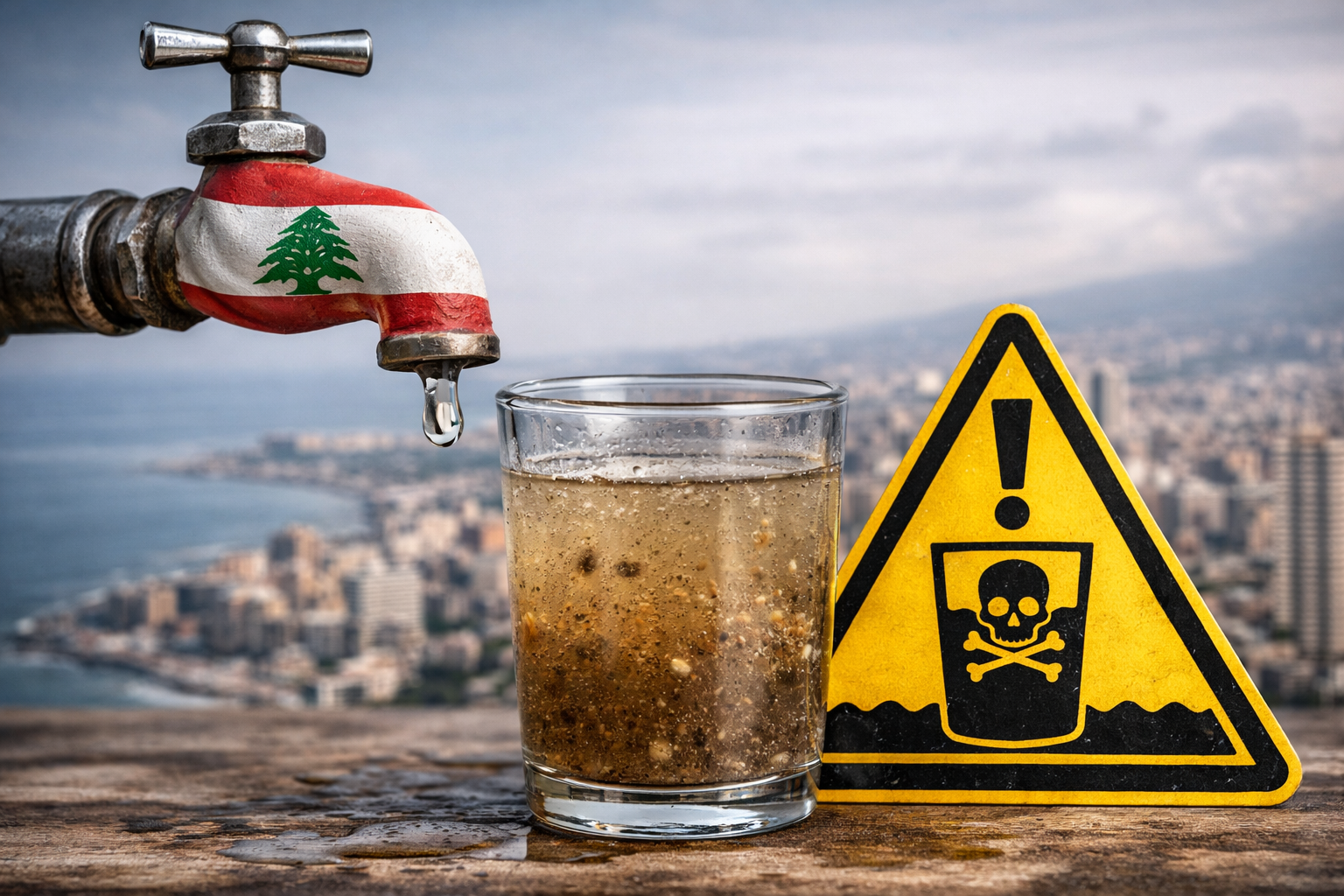
tap water in Lebanon
Safe drinking water is not something most people question—until they arrive in Lebanon. Visitors and residents often ask, can you drink tap water in Lebanon, but health professionals strongly advise against it. While water flows into homes through public networks, its safety and quality remain unreliable, creating ongoing health concerns.
Lebanon Tap Water Quality and Infrastructure Problems
One of the biggest challenges affecting Lebanon water safety is the country’s outdated infrastructure. Many pipelines are decades old and suffer from leaks, corrosion, and pressure drops. These issues allow contaminants to enter the system, especially during frequent water shortages. As a result, Lebanon tap water quality varies widely and often fails to meet drinking standards.
Can You Drink Tap Water in Beirut?
Many people assume major cities offer safer utilities, yet this is not always the case. Concerns about tap water Beirut are common among tourists and locals alike. Even in central neighborhoods, construction damage and rusted pipes affect the municipal supply. This explains why experts advise against drinking tap water in Beirut, even when it appears clear.
Why Can’t You Drink Tap Water in Lebanon?
Another major issue involves environmental pollution and weak regulation. Industrial waste, sewage leakage, and agricultural runoff contaminate rivers and underground sources. These factors help explain why can’t you drink tap water in Lebanon safely. Without strict monitoring and modern treatment facilities, authorities struggle to guarantee clean water, leading many to question whether household water is safe at all.
Is Tap Water in Lebanon Safe to Drink with Treatment?
Some residents attempt to improve safety by boiling or filtering their water. While these methods help reduce bacteria, they do not always remove heavy metals or chemical contaminants. For this reason, many people avoid any form of tap water Lebanon drink and instead rely on bottled water or professional delivery services for daily use.
Natural Sources and Supply Challenges
To fully grasp the situation, it is important to know where does Lebanon get its water. The supply mainly comes from rivers, springs, and underground aquifers. Unfortunately, many of these sources suffer from pollution, overuse, and insufficient protection. Without advanced purification systems, contaminated water continues to reach households.
Final Thoughts on Water Safety
So, is household water safe for daily consumption? Most evidence suggests it is not. Until infrastructure improves and water treatment standards are properly enforced, avoiding tap water in Lebanon remains the safest choice for protecting long-term health.