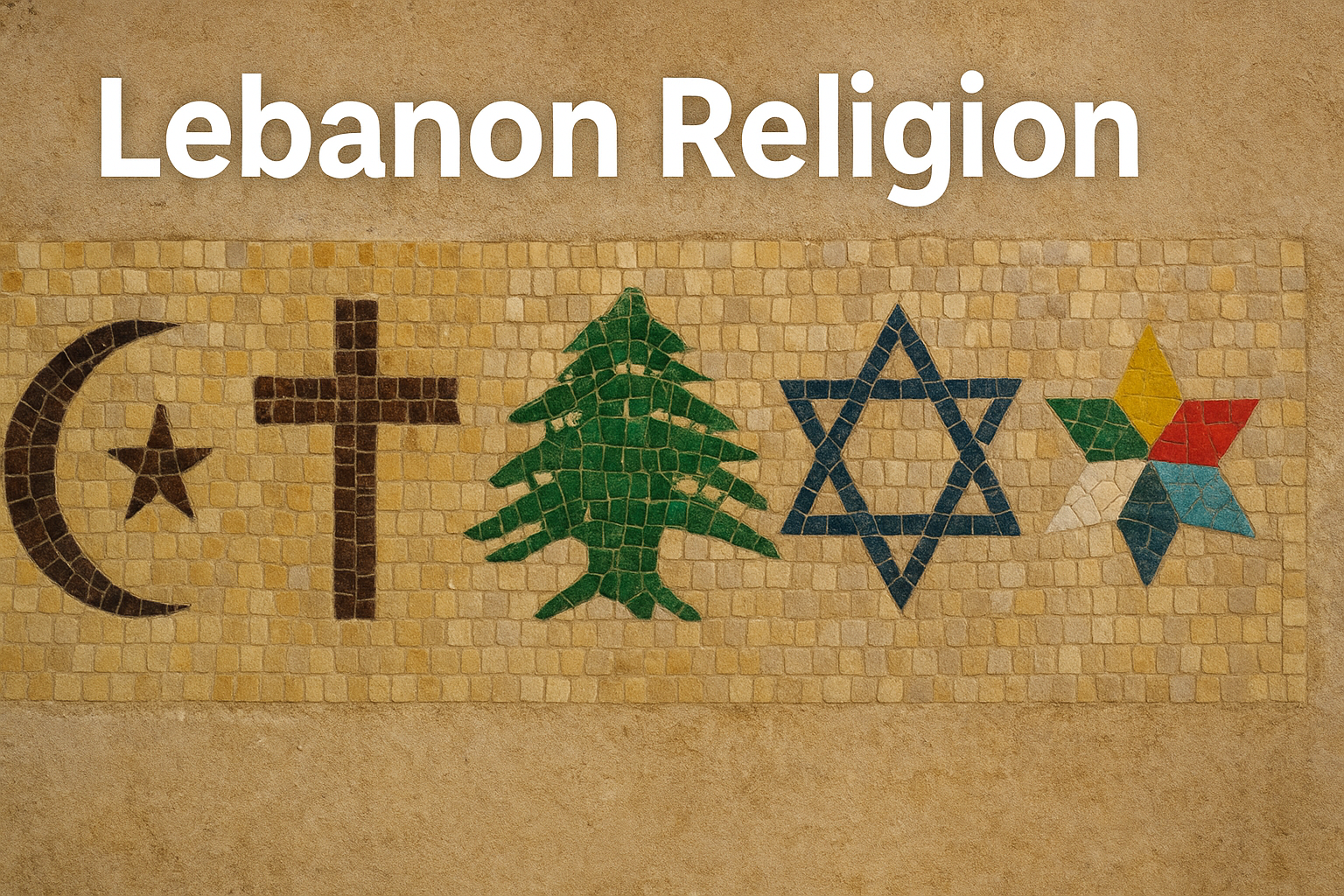
Lebanon Religion
Lebanon is often described as a tapestry of cultures, and nowhere is this more evident than in its religious landscape. Despite its small size, Lebanon hosts a remarkably diverse mix of faiths, each shaping the country’s culture, politics, and daily life. Understanding religion in Lebanon requires exploring its history, demographics, and the role faith plays in society.
Religious Diversity in Lebanon
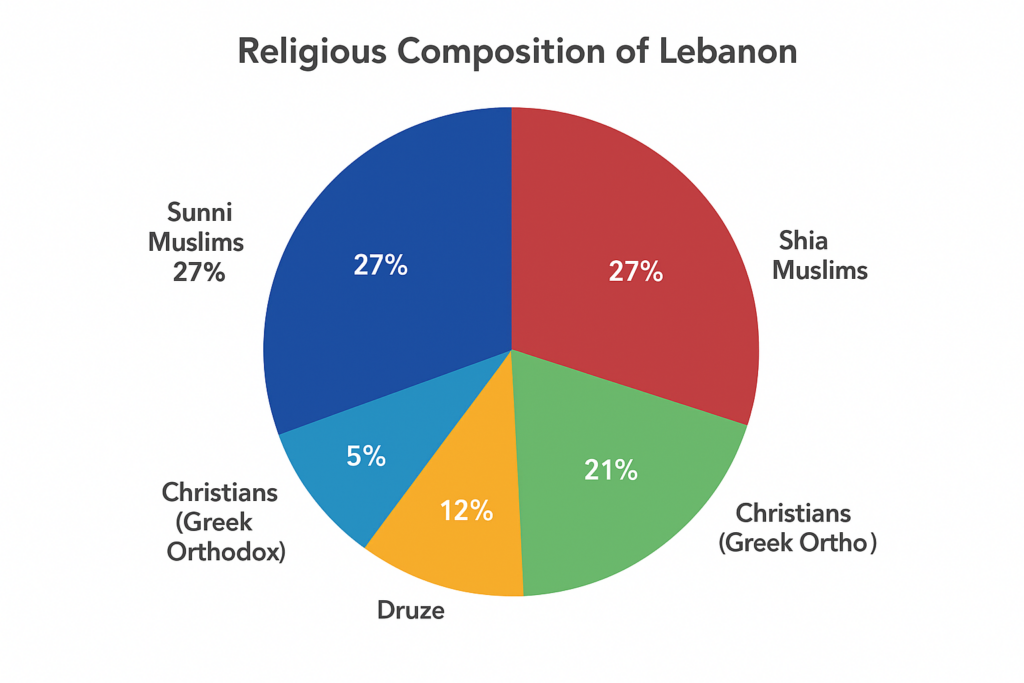
Lebanon’s religious composition is unique in the Middle East. The population divides almost evenly between Muslims and Christians, with smaller communities of Druze and other minority faiths. Sunni and Shia Muslims form the majority, while Christians include Maronite Catholics, Greek Orthodox, Armenian Apostolic, Greek Catholics, Protestants, and Syriac Christians. The Druze form a distinct minority, mainly in the Chouf and Mount Lebanon regions. Each group maintains its own traditions, festivals, and social institutions, enriching Lebanon’s cultural fabric.
Religious Composition Chart
| Religion | Percentage of Population |
|---|---|
| Sunni Muslims | 27% |
| Shia Muslims | 27% |
| Druze | 5% |
| Maronite Christians | 21% |
| Greek Orthodox Christians | 8% |
| Other Christians | 12% |
Religion and Politics
Religion in Lebanon shapes both personal and public life. The Lebanese political system, known as confessionalism, allocates power based on religious affiliation. For example, the President must be a Maronite Christian, the Prime Minister a Sunni Muslim, and the Speaker of Parliament a Shia Muslim. Parliamentary seats are distributed among religious communities. While this system maintains balance, it sometimes causes political tension and sectarian divisions.
Historical Roots of Lebanese Religions
Lebanon’s history reflects its religious diversity. Maronite Christians trace their roots to early Christianity, while Muslims arrived during Arab conquests. The Druze emerged as a distinct sect in the 11th century. Over centuries, these communities coexisted, sometimes peacefully and sometimes in conflict. Together, they contributed to Lebanon’s rich cultural heritage. Ancient churches in Byblos and Baalbek, as well as grand mosques in Beirut and Tripoli, showcase this layered history.
Religious Practices and Traditions
Lebanon celebrates religious practices publicly and vibrantly. Christians mark Christmas and Easter, while Muslims observe Ramadan and Eid with prayers and communal festivities. The Druze maintain unique ceremonies, including spiritual retreats and gatherings. Coexistence allows festivals from different faiths to influence one another, creating a rare culture of pluralism in the region.
The Role of Religion Today
Despite occasional sectarian tensions and political challenges, religion remains a cornerstone of Lebanese identity. Faith shapes social networks, education, and business practices, while preserving heritage and traditions. Lebanon’s religious mosaic is both a source of pride and complexity, making it one of the most religiously diverse countries in the world.
In conclusion, religion in Lebanon is more than personal belief—it defines society, politics, and history. From Beirut’s bustling streets to ancient mountain villages, Lebanon’s faith communities continue to coexist, celebrate, and influence the country’s unique cultural identity.