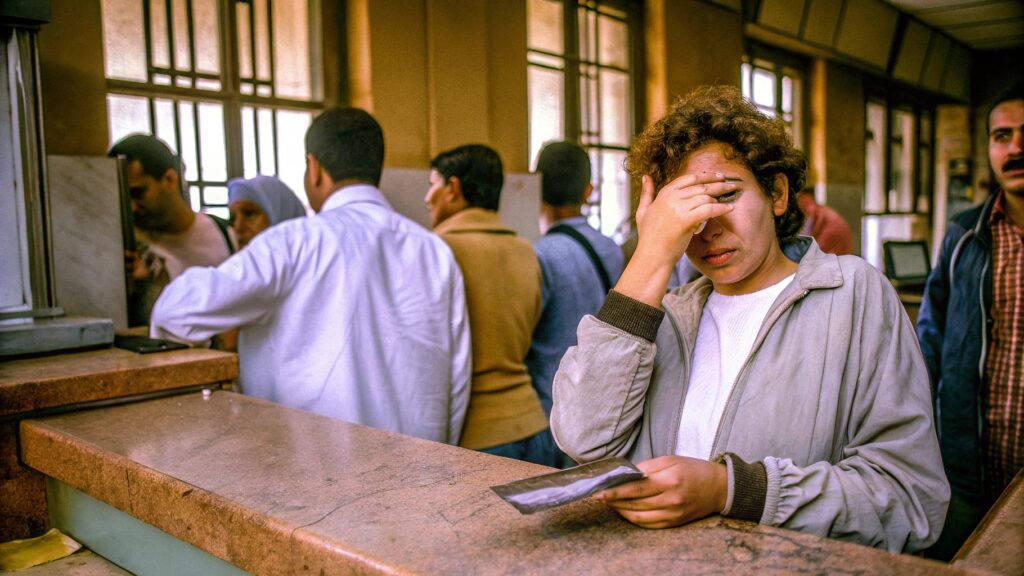
🏦 Banks Not Returning Money in Lebanon: What’s Really Happening?
Since late 2019, Lebanon has faced one of the worst financial collapses in modern history. For many Lebanese citizens and expats, the most painful question remains: Why are banks not returning money? In this article, we break down how this happened, what caused it, and what it means for everyday depositors.
📉 Understanding Why Lebanese Banks Aren’t Returning Deposits
💥 How Lebanon’s Banking System Collapsed
Lebanon’s banks were once seen as strong. However, after decades of public debt, bad policy, and government failure, the financial system fell apart. As panic spread, banks shut their doors, froze accounts, and stopped transfers — all without an official law.
🧾 Why People Can’t Access Their Money Today
A large portion of the money deposited in Lebanese banks was lent to the government. When the state defaulted, those funds vanished. Now, banks not returning money is no longer a surprise — it’s the new normal.
🛑 How Bank Restrictions Are Preventing People from Getting Their Savings
🔒 Unofficial Controls on Withdrawals and Transfers
Although no capital control law exists, banks have set strict daily limits, denied international transfers, and blocked foreign currency withdrawals. Therefore, many depositors find themselves unable to access their funds.
🏧 Daily Struggles to Access Personal Savings
People now queue for hours to withdraw the equivalent of $100 in lira. ATMs often have no cash. Some can’t access funds even for health emergencies. As a result, the issue of banks not returning money has affected every level of society.
🤔 Why Can’t Banks Just Return People’s Money?
📊 Where the Money Went — And Why It’s Gone
Lebanese banks used deposits to buy high-risk government debt. Once the government defaulted, that money disappeared from the system. Consequently, banks cannot repay depositors.
Why U.S. Dollars Are No Longer Available
With the Central Bank running out of foreign currency, most banks cannot return real U.S. dollars. They created “lollars” — digital dollars with little actual value. Meanwhile, the population struggles to use their savings.
⚖️ Legal, Political, and Public Reactions to Frozen Funds
🧑⚖️ Legal Loopholes and Lack of Protection for Depositors
Because there’s no official capital control law, depositors are stuck in legal limbo. Courts have been slow, and few rulings favor the public. Moreover, this legal uncertainty deepens the crisis.
📣 Protests, Lawsuits, and Growing Public Frustration
Many have filed lawsuits, both locally and abroad. Protests continue outside banks and government buildings. So far, banks not returning money remains a harsh reality.
📚 Final Thoughts: The Cost of a Broken Banking System
The crisis of banks not returning money reflects deep-rooted financial failure. Lebanese citizens, who once trusted their banks, are now locked out of their own life savings. Until real reform is made, hope remains distant — and savings remain frozen.