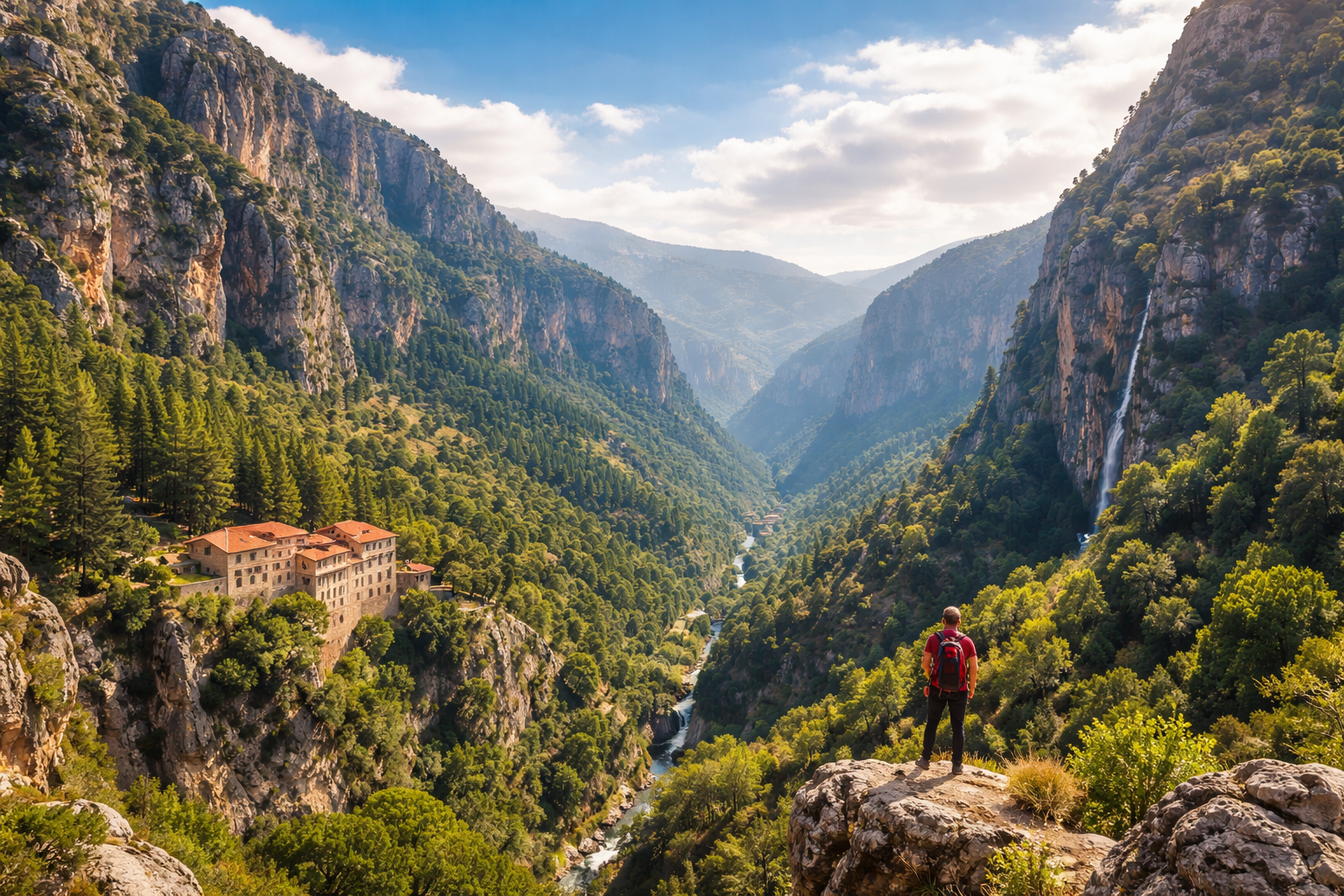
Qadisha Valley Lebanon
Qadisha Valley: Discover Lebanon’s Sacred Holy Valley
The Qadisha Valley is one of Lebanon’s most powerful natural and spiritual destinations. Also known as the Valley of Qadisha or Valley of Kadisha, this region attracts hikers, history lovers, and spiritual travelers. The Qadisha Valley in Lebanon is famous for its deep gorges, ancient monasteries, and dramatic mountain scenery. Many visitors refer to it as the Qadisha Valley Holy Valley because of its strong religious history.
The name Qadisha Valley in Arabic comes from the word Qadisho, meaning “holy.” You may also see the valley called Kadisha Valley, Kadish Valley, Khadisha Valley, or Qadesha Valley. All names point to the same sacred landscape. Some confuse it with Valley Chevra Kadisha, but the Qadisha Valley has distinct Christian roots.
Qadisha Valley Location and UNESCO Status
The Qadisha Valley location sits in northern Lebanon near the town of Bsharri. Many travelers call it the Qadisha Valley of Bcharre Lebanon or simply Qadisha Valley Bcharre. A look at the Qadisha Valley Lebanon map shows its position within the Qadisha Valley and Northern Mount Lebanon region.
UNESCO recognizes the area as Qadisha Valley UNESCO World Heritage Site. This status protects its cultural and spiritual importance. The valley shelters some of the oldest Christian monastic settlements in the world. Several Qadisha Valley Lebanon monastery sites still stand along the cliffs. These include chapels, hermitages, and carved stone dwellings. You will also find historic Qadisha Valley church ruins along hiking routes.
Caves, Mummies, and Sacred History
The valley holds dozens of Qadisha Valley caves once used by monks and hermits. These caves provided isolation and safety during times of persecution. Archaeologists later uncovered the famous Qadisha Valley mummies inside nearby grottos. These discoveries offer rare insight into medieval life in the region.
Walking through the Qadisha Valley feels timeless. Stone paths wind between cliffs, trees, and prayer sites. Every turn reveals history carved into rock. The spiritual silence still defines the Valley of Qadisha today.
Qadisha Valley Things to Do
Visitors often ask Qadisha Valley what to do during their trip. Hiking remains the top activity. The Qadisha Valley trail network suits beginners and experienced hikers. Trails pass monasteries, caves, and scenic overlooks. Many routes lead to the beautiful Qadisha Valley waterfall, especially active after rain or snowmelt.
Nature lovers enjoy photography, birdwatching, and meditation. Those seeking culture explore monasteries and sacred sites. These experiences make Qadisha Valley things to do diverse and rewarding.
Visiting in Winter and Nearby Highlights
Each season offers a different experience. Qadisha Valley winter brings mist, snow, and quiet trails. The valley feels peaceful and dramatic during colder months. Many travelers also combine their visit with Qadisha Valley & Cedars of God, located nearby. This pairing creates a full northern Lebanon itinerary.
Directions and Travel Tips
Following Qadisha Valley directions from Beirut or Tripoli is simple. Navigating inside the valley takes more care. Trails can be steep and confusing. Weather conditions can also change quickly.
Why You Should Book with a Hiking Guide
To fully experience the Qadisha Valley, visitors should book with a professional hiking guide. A guide ensures safety and proper trail navigation. Guides also explain the history, religion, and nature of the valley. They lead you to hidden caves, monasteries, and viewpoints. Booking a guided hike turns your visit into a deeper and safer experience.
Below, you can book the most reliable hiking tours and guides for your Qadisha Valley adventure.