🇱🇧 The Cedar Tree Lebanon Symbolism in National Identity
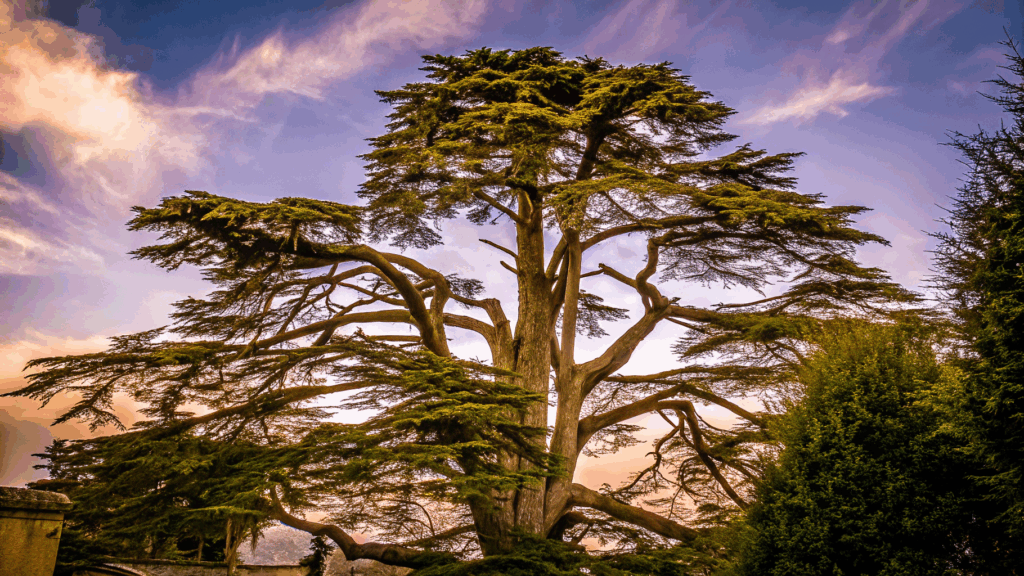
The cedar tree Lebanon symbolism goes far beyond its central place on the national flag. These majestic evergreens are deeply woven into Lebanon’s history, religion, and identity. In fact, for many Lebanese, the cedar represents more than just nature — it’s a living symbol of strength, faith, and national pride.
🏛️ What the Cedar Tree Symbolizes in Lebanese Culture and History
The cedar tree Lebanon symbolism reflects the country’s enduring spirit. From ancient times to today, the cedar has represented:
- Resilience, through wars and challenges
- Purity and peace, rooted in biblical references
- Unity, across religious and political lines
Moreover, it’s a symbol embraced by all Lebanese — regardless of faith or region — which makes it even more powerful in a diverse country.
🕊️ Spiritual and Religious Symbolism of the Cedar Tree
🌿 Biblical and Religious Importance of Cedar Trees in Lebanon
The Cedar of Lebanon is mentioned more than 70 times in the Bible. For example, it was used to build Solomon’s Temple, symbolizing holiness and divine blessing. Therefore, for Christians, Jews, and even Muslims, the cedar holds deep spiritual meaning.
🌄 Daily Life and Folk Beliefs: What the Cedar Tree Represents
In mountain villages, many believe the cedar protects them from harm. As a result, some plant it as a blessing, while others pray beneath its branches. The cedar tree Lebanon symbolism is especially strong in Maronite Christian and Druze communities.
🏞️ Sacred Forests: Where Lebanese Feel Spiritually Connected
Lebanon’s cedar forests aren’t just tourist attractions. Instead, they are viewed as sacred places. For instance, in:
- The Cedars of God in Bsharri
- Tannourine Cedar Forest Reserve
- Barouk Cedars Reserve
locals feel spiritually recharged. In other words, these forests are places for meditation, prayer, and connection to cultural roots.
💬 Local Voices Reflecting Cedar Tree Symbolism in Lebanese Hearts
- “The cedar is a tree of survival. It grows slowly, but it lives for centuries.”
- “You stand under it and feel like you’re in a holy place.”
- “We plant cedars to remember, to hope, to stay rooted.”
Clearly, these quotes reflect how cedar tree Lebanon symbolism is not only national — but deeply emotional and personal.
🌟 Final Thoughts: Why the Cedar Tree Still Matters Today
The cedar tree Lebanon symbolism is not just historical or religious — it’s alive in the hearts of Lebanese people today. Ultimately, it stands for strength, survival, and shared identity. Because of this, in a country marked by conflict and resilience, the cedar remains a powerful symbol of unity, faith, and hope.