Meteor Crater (Maria) in Ras Baalbek, Lebanon: An Unexplored Meteor Impact Site
Located in Ras Baalbek, Lebanon, this fascinating crater attracts both scientists and adventure travelers who study meteorite crater geology and explore natural landmarks in Lebanon. The formation takes its name from the asteroid Maria (officially designated 170 Maria), which French astronomer Henri Joseph Perrotin discovered on January 10, 1877. Later, Antonio Abetti calculated its orbit. Perrotin named the asteroid after his sister, Maria, blending a personal tribute with a historic scientific discovery.
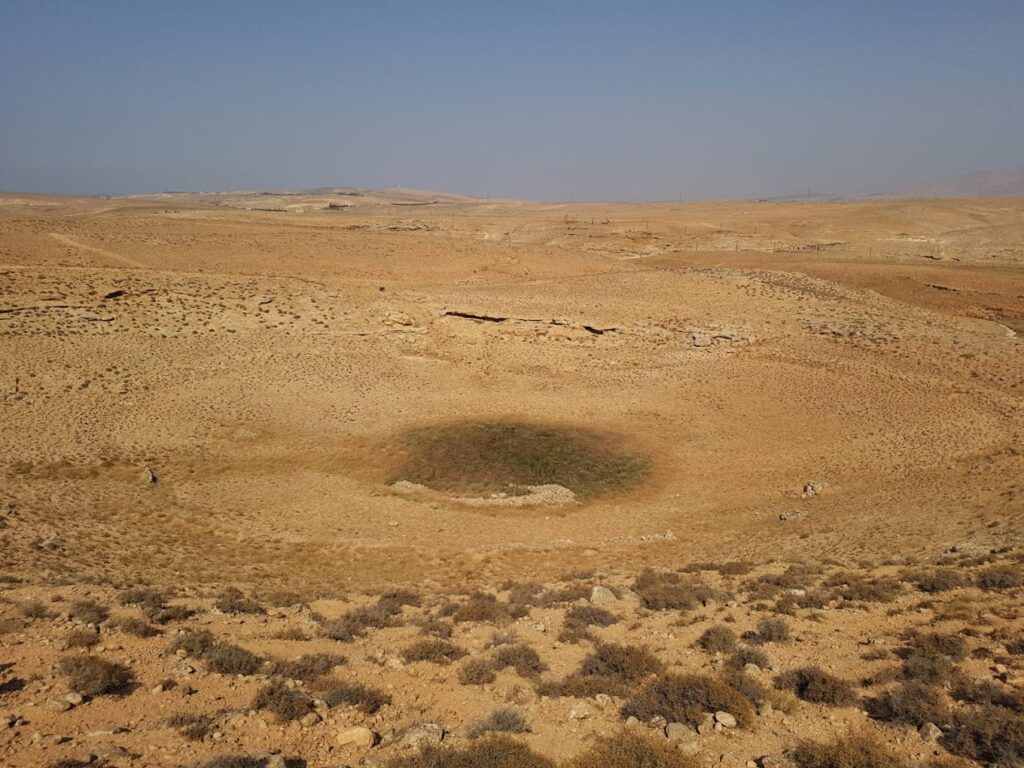
Although archaeologists and geologists suggest a possible connection between the site and the asteroid, limited scientific studies have examined this meteor impact location in Lebanon. Consequently, it remains one of the hidden places in Lebanon waiting for explorers.
For those interested in asteroid impact sites and geological wonders of Lebanon, this crater offers a unique opportunity. It is a relatively unknown feature with potential scientific importance. Visitors who take a day trip to Ras Baalbek can experience the intriguing blend of history, astronomy, and natural beauty that surrounds this mysterious depression.
What Does Meteor Crater Mean?
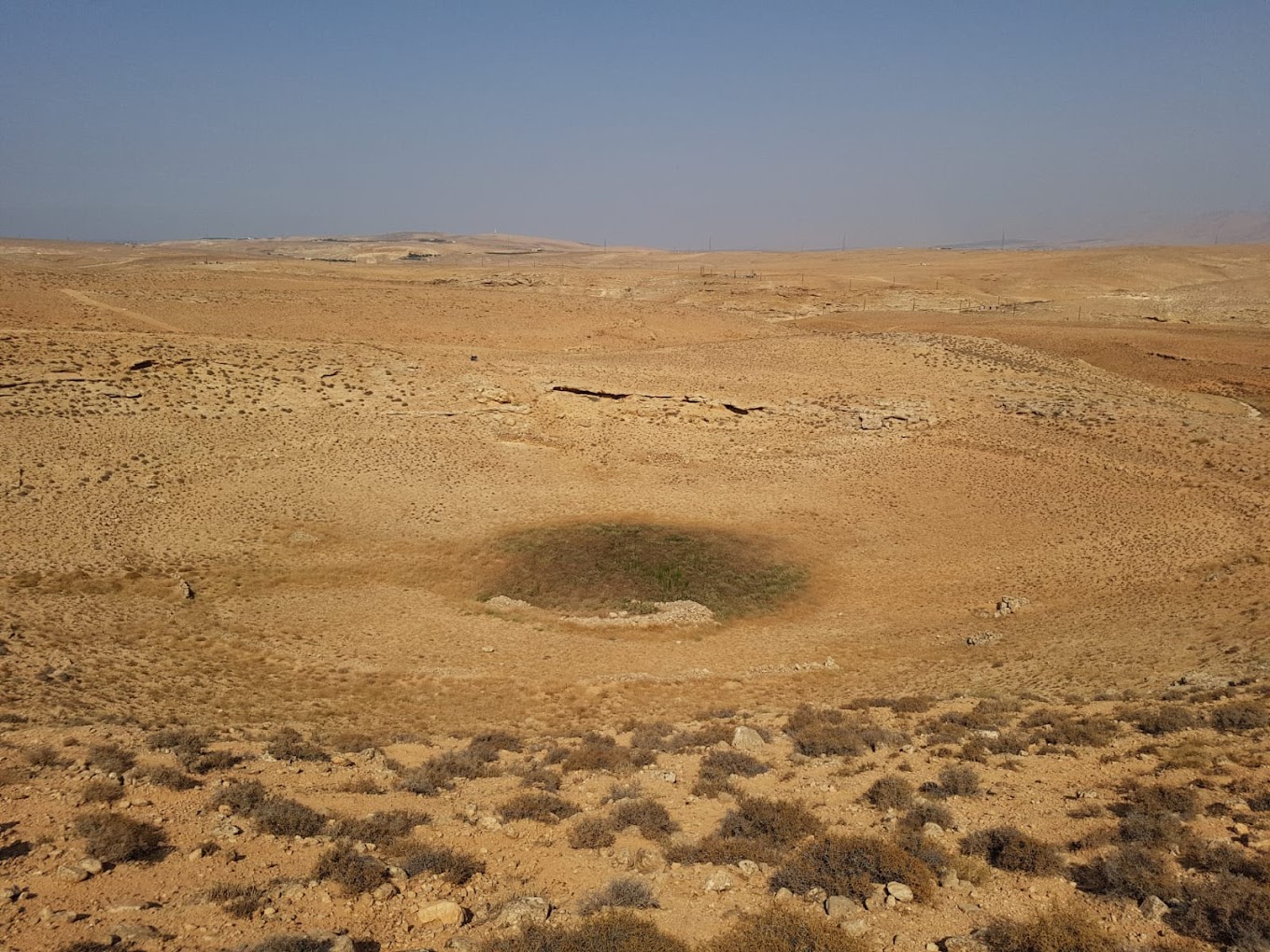
A meteor crater is a large, bowl-shaped depression on Earth’s surface. It forms when a meteorite—a fragment of rock or metal from space—collides with the planet at high speed. The impact releases a tremendous amount of energy. This blasts out a crater. These craters provide valuable clues about the history of our planet and the solar system.
In Lebanon’s case, some believe the Meteor Crater (Maria) formed from such an impact. However, scientists have not yet confirmed this.
Meteor Crater (Maria) in Lebanon
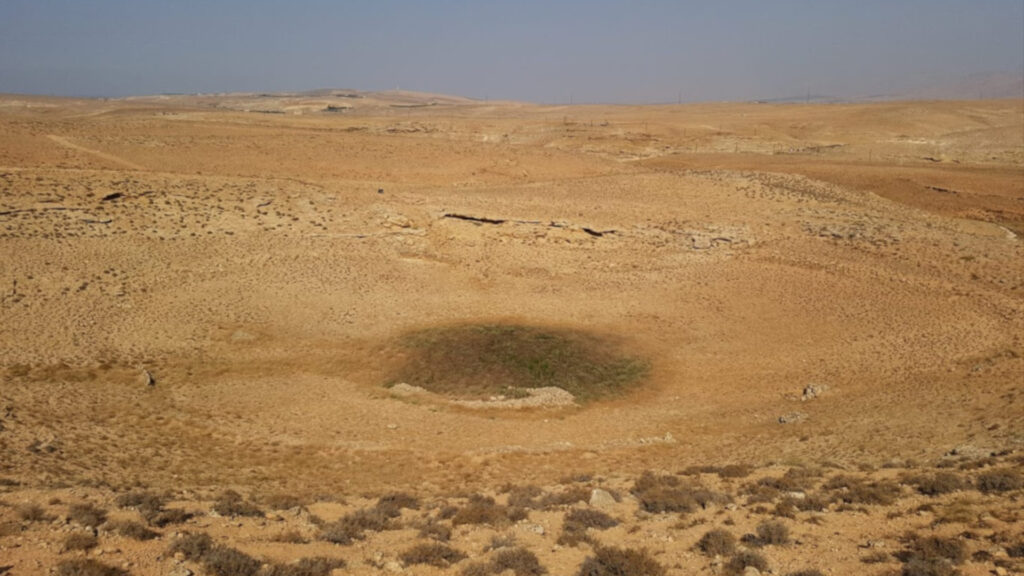
Researchers identified the Meteor Crater (Maria) near the Assi River in Ras Baalbek, Lebanon, in 2018. The crater reaches a depth of approximately 58 meters. Despite its geological significance, Lebanon’s meteorite impact site remains largely unexplored. Thus, it stands as one of the country’s hidden natural landmarks. Due to its remote location and limited scientific research, it receives relatively few visitors. This adds to its quiet mystery.
Although researchers have conducted few studies on Meteor Crater (Maria), it continues to captivate those fascinated by meteor crater geology and geological wonders of Lebanon. Moreover, visitors seeking off-the-beaten-path destinations and adventure travel in Lebanon find the location ideal. The serene atmosphere combines historical and scientific intrigue. It is perfect for photography and quiet reflection. Overall, its natural beauty and historical importance make the crater well worth discovering. It also holds great potential for future research and exploration as a unique asteroid impact site in the region.